
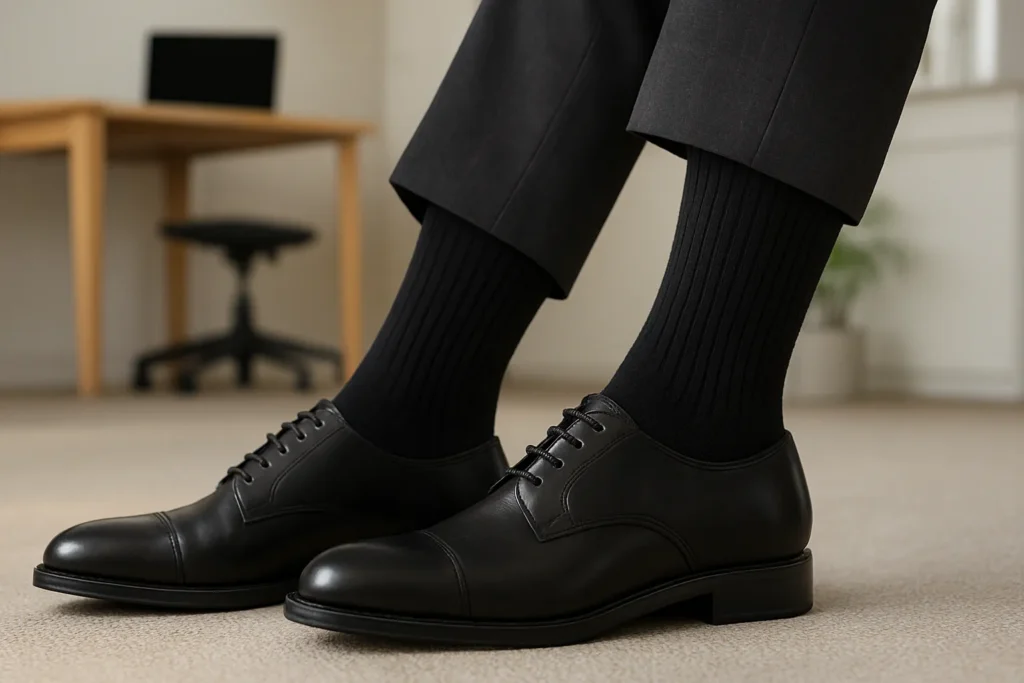
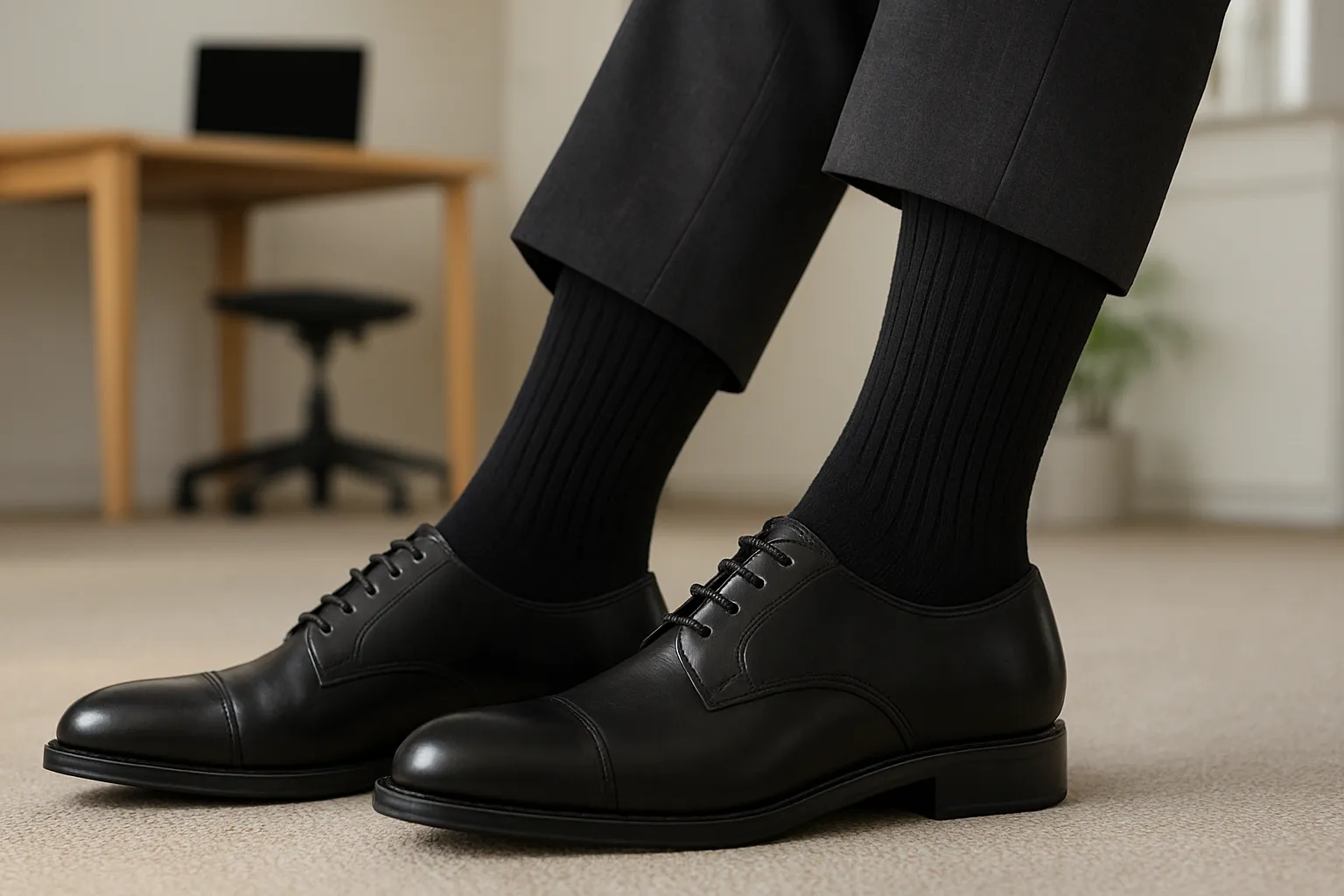
In today’s fast-paced work environment, maintaining personal hygiene and comfort is essential, particularly for those who spend long hours on their feet. Antibacterial socks are becoming an increasingly popular choice for daily wear in the workplace due to their unique properties that promote foot health and hygiene. These specialized socks are designed to combat bacterial growth, thereby reducing odor and enhancing overall comfort. As businesses strive to create healthier workspaces, understanding the benefits of antibacterial socks can significantly impact employee satisfaction and productivity.
Specifications of Antibacterial Socks
Antibacterial socks are crafted from a blend of advanced materials that not only provide comfort but also possess inherent antibacterial properties. Typically made from synthetic fibers such as nylon or polyester, these socks are engineered to wick moisture away from the skin, keeping feet dry throughout the day. The incorporation of silver ions or other antimicrobial agents helps to inhibit the growth of bacteria, thus preventing unpleasant odors and infections.
In my experience, comfort and breathability are crucial specifications of these socks. Many designs feature cushioned soles and arch support, which can significantly reduce fatigue during long work hours. The breathability of the fabric allows for optimal airflow, preventing overheating and sweat accumulation—common issues with traditional socks.
Use Cases in the Workplace
Antibacterial socks are particularly beneficial for various professions where employees are on their feet for extended periods. Industries such as healthcare, hospitality, and retail can greatly benefit from these socks, as workers often face high demands and physical activity throughout their shifts. For employees in active roles, such as nurses or waitstaff, wearing antibacterial socks can significantly enhance comfort and reduce the risk of foot-related ailments.
From what I have seen, the implementation of antibacterial socks can also contribute to improved workplace hygiene. By reducing bacteria and odor, businesses can foster a healthier environment, which is especially important in settings where hygiene is paramount. This proactive approach not only protects employees but also enhances the overall perception of the workplace.
Comparisons with Traditional Socks
When comparing antibacterial socks to traditional options, several performance differences become evident. Traditional socks may lack the moisture-wicking and antibacterial properties found in specialized socks, leading to discomfort and increased odor over time. Additionally, antibacterial socks often provide enhanced cushioning and support, making them a superior choice for daily wear.
From a cost-effectiveness perspective, while antibacterial socks may have a higher initial purchase price, their longevity and durability can result in cost savings over time. Traditional socks may need to be replaced more frequently due to wear and odor retention, whereas antibacterial socks are designed to withstand daily use without losing their effectiveness. This durability makes them a wise investment for businesses looking to optimize their employee apparel.
Sourcing Antibacterial Socks
When it comes to sourcing antibacterial socks, it is essential to identify key suppliers and manufacturers known for their quality products. Researching reputable brands that specialize in performance wear can help businesses find the right socks for their workforce. Factors to consider when sourcing include material quality, antibacterial effectiveness, and customer reviews.
Additionally, bulk purchase options are available, allowing companies to stock up on these essential items at a reduced cost. Establishing a relationship with suppliers can lead to better pricing and customized solutions tailored to the specific needs of the workforce. For instance, check out the Products page for various options available.
Implementation Strategies
Integrating antibacterial socks into employee uniforms can be a seamless process with the right strategies in place. Companies should consider offering these socks as part of the standard uniform, ensuring that all employees have access to them. Additionally, employee education and awareness campaigns can highlight the benefits of wearing antibacterial socks, promoting a culture of health and hygiene within the organization.
Feedback from employees during an adjustment period can provide valuable insights into the effectiveness of the socks and any areas for improvement. Regular assessments can help businesses refine their approach and ensure that the introduction of antibacterial socks meets the needs of their workforce.
Frequently Asked Questions
- How Do Antibacterial Socks Work?
Antibacterial socks work by incorporating antimicrobial agents, such as silver ions, into the fabric. These agents inhibit the growth of bacteria, thereby reducing odor and the risk of infections. - Are They Worth the Investment?
Yes, antibacterial socks are worth the investment, especially for businesses with employees in active roles. The benefits of enhanced comfort, reduced odor, and improved hygiene can lead to increased employee satisfaction and productivity. - Care Instructions for Longevity
To maintain the effectiveness of antibacterial socks, it is recommended to wash them in cold water and avoid bleach or fabric softeners. Air drying is preferable to preserve the integrity of the fibers.
In conclusion, antibacterial socks offer a range of benefits for daily wear in the workplace, promoting foot health, comfort, and hygiene. By understanding their specifications, use cases, and sourcing options, businesses can make informed decisions that enhance employee well-being and contribute to a healthier work environment.